
Scientific Presentations
Access expert presentations from EBR’s sponsored lunch symposium at Heart Rhythm 2026 (HRS 2026). Featuring leading electrophysiologists, these sessions highlight clinical evidence, patient selection considerations, case reviews, and early commercial experience with the WiSE System. Video recordings and presentation slides are available below for educational purposes.

Robert Canby, MD
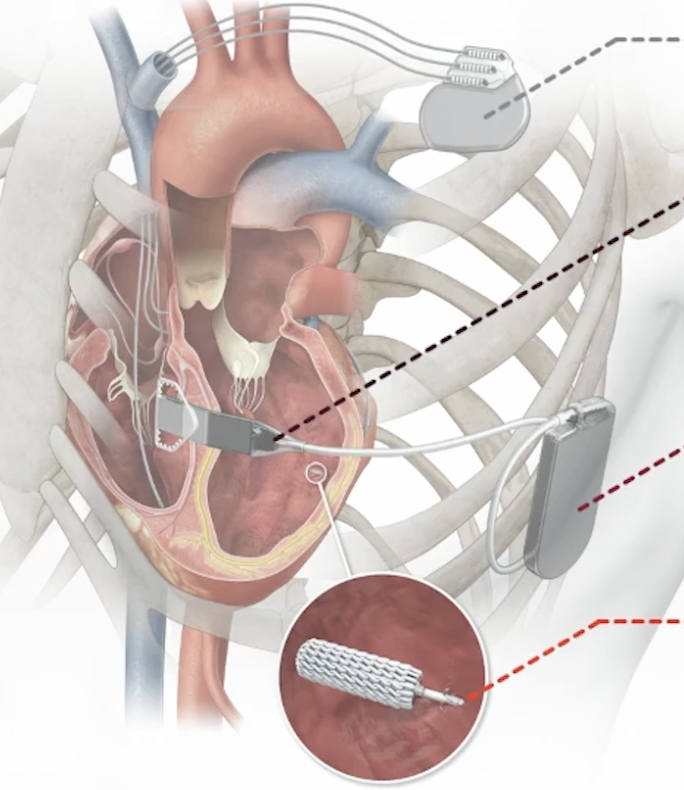
Getting WiSE with Leadless LV Endocardial Pacing
David Slotwiner, MD
A Case-Based Guide to Patient Selection: Applying clinical criteria to real-world patients and workflows
Niraj Varma, MD
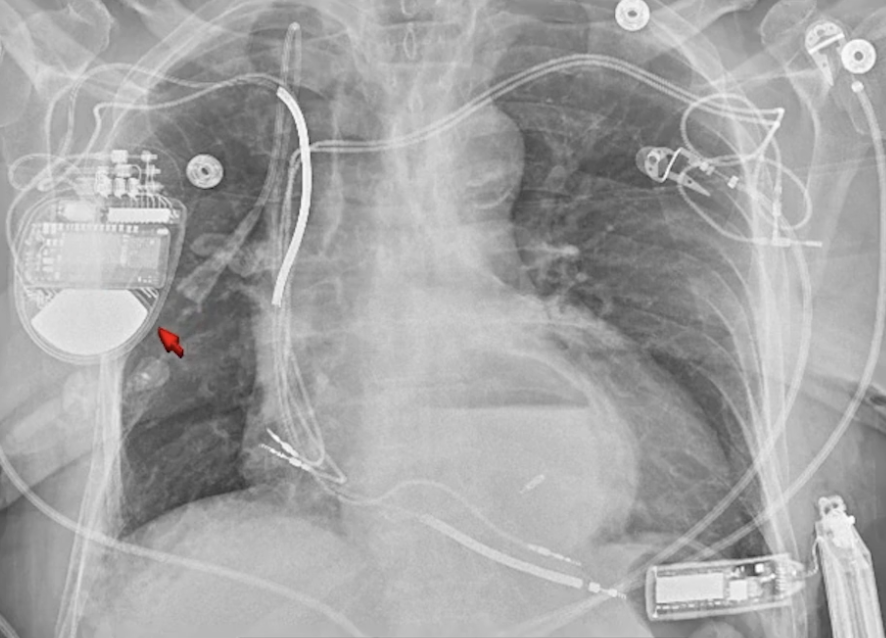
Real-World Experience with the WiSE System: Early Post-Approval US Practice and Outcomes
Devi Nair, MD
Play-by-Play Walkthrough of a WiSE System Implant: Procedural approach, decision-making, technical pearls, and lessons learned
This program is not part of Heart Rhythm 2026 as planned by the Heart Rhythm Program Committee. This event is neither sponsored nor endorsed by the Heart Rhythm Society. This event does not qualify for accredited continuing education (ACE) credit.
CBS Features First WiSE System Implant
Michael Chaves was born with a congenital heart defect, underwent heart surgery before his first birthday and received a pacemaker at the age of 17. As he grew older, he continued to experience shortness of breath and fatigue that made it difficult to keep up with everyday activities.
Earlier this year, Michael became the first adult congenital heart disease patient to receive the WiSE System. Dr. Haisam Ismali and the cardiac electrophysiology team at Northwell Health’s Long Island Jewish Medical Center implanted the leadless pacing system to work with Michael’s existing cardiac device and help synchronize his heartbeat.
Michael told CBS New York that he felt a difference immediately and has since been able to return to the gym without undergoing another open-heart surgery. His experience underscores the importance of continued innovation for patients with complex cardiac histories and limited treatment options.
We are grateful to Michael and his family for sharing their journey and to Dr. Ismali and the Northwell Health team for their clinical leadership and commitment to advancing patient care.
Watch the video and read Michael’s story from CBS New York: 1st"booster pack" pacemaker implanted in adult with congenital heart defect on Long Island - CBS New York
Note: Treatment decisions rest with the physician and care team based on individual patient anatomy and clinical need. Refer to the Instructions for Use for indications, contraindications, warnings, and precautions.
WiSE Clinical Program
Studies demonstrate on-going clinical impact of WiSE System, the leadless left ventricular endocardial pacing (LVEP) solution.